
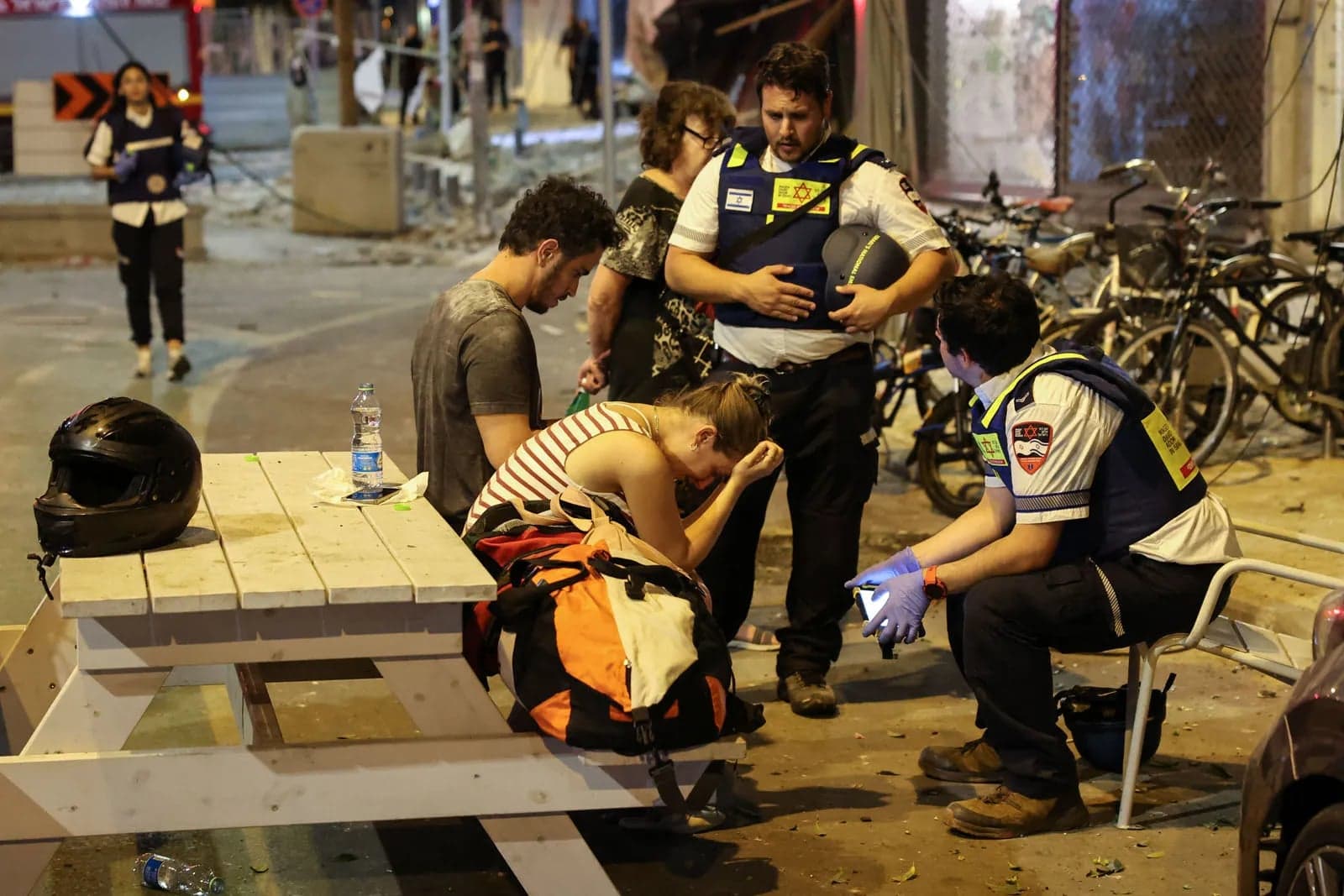
For a country still confronting the consequences of the Hamas attack, accountability is about more than identifying mistakes. It is about rebuilding confidence in the institutions responsible for protecting citizens.
For many Israelis, October 7 shattered something that cannot be measured only in casualty figures or military reports: the assumption that the state would be able to protect its citizens in a moment of extreme danger.
The communities attacked that morning experienced hours of violence, uncertainty and, in some cases, prolonged delays before adequate military assistance arrived.
Subsequent IDF investigations acknowledged severe operational failures, including the inability to defend communities along the Gaza border effectively.
These findings raised questions not only about preparedness, but also about the obligations of the state toward the people it serves.
A national investigation could offer one way of addressing those questions.
Its purpose would extend beyond reconstructing a timeline. It would need to examine why warnings were missed, how strategic decisions were made, what institutional safeguards failed and whether officials met the responsibilities of their positions.
But accountability and public trust are not necessarily the same thing.
An investigation may produce extensive findings without convincing everyone that its procedures were fair. Conversely, a process designed primarily to satisfy competing political camps could struggle to establish conclusions independent of those interests.
That tension sits at the center of Israel's debate over the appropriate commission of inquiry.