
Iran's economy is under mounting strain as an expanded campaign of US sanctions and a naval blockade cut into the country's ability to trade, with inflation now topping 80 percent and some food staples up as much as 100 percent from a year ago.
The Iranian currency has lost an additional 30 percent of its value so far this year, and the International Monetary Fund is projecting a 6.1 percent contraction in Iran's economy in 2026, which would mark the country's worst downturn in decades. More than a million jobs had already been lost by late May, according to figures cited in the reporting.
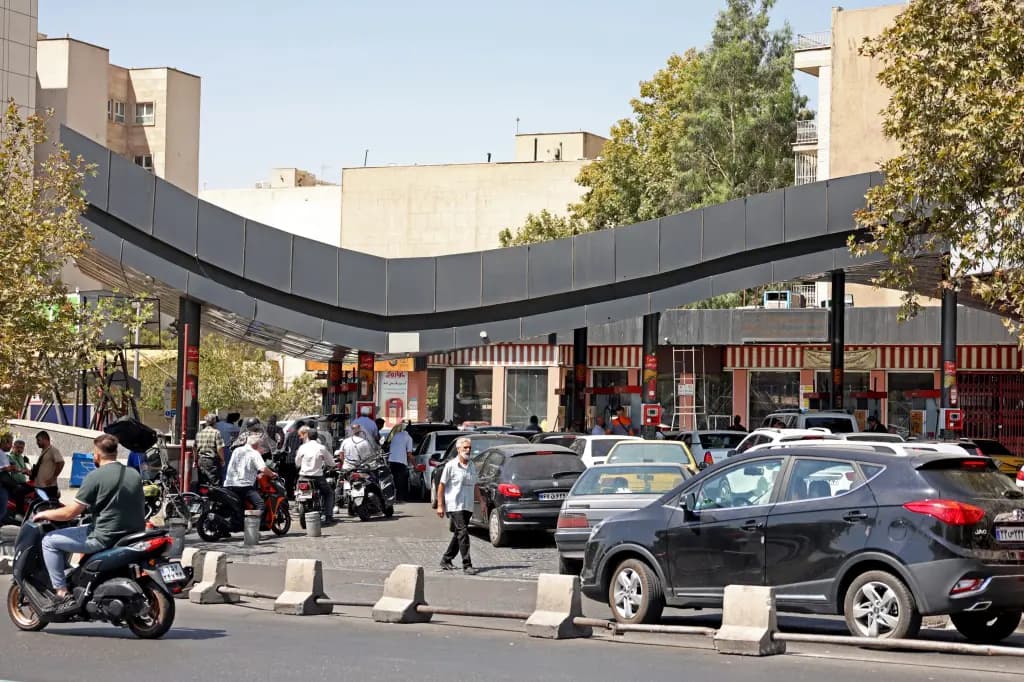
Treasury Secretary Scott Bessent has described the latest push as an economic D Day, targeting five specific sectors: digital assets, technology, gold, aviation and shipping. Separately, a naval blockade has choked off Iran's oil exports and blocked imports of refined fuel, producing the kind of fuel shortages and long gas station lines that have become a common sight in Tehran and other cities.