
A once obscure corner of finance is turning into an important release valve for investors across the Gulf. With initial public offerings scarce and merger activity limited, more venture capital and private equity investors in the region are turning to the secondaries market, where existing stakes in funds or companies change hands, to find liquidity.
The numbers tell part of the story. Turnover in Gulf secondary markets tracked on Bloomberg's platform nearly doubled from $22 billion in 2022 to $40 billion in 2025, while overall issuance climbed from $246 billion to $452 billion over the same period. Average electronic trade sizes nearly doubled too, rising from $500,000 to $900,000.
The pressure pushing investors toward secondaries is clear. MENA startups raised $3.8 billion across 688 deals in 2025, a 74% increase from the year before, yet exits have not kept pace. The region saw just two IPOs in 2025, and only 46 M&A deals took place across MENA last year. The average exit horizon for MENA venture capital and private equity firms now stretches to six years.
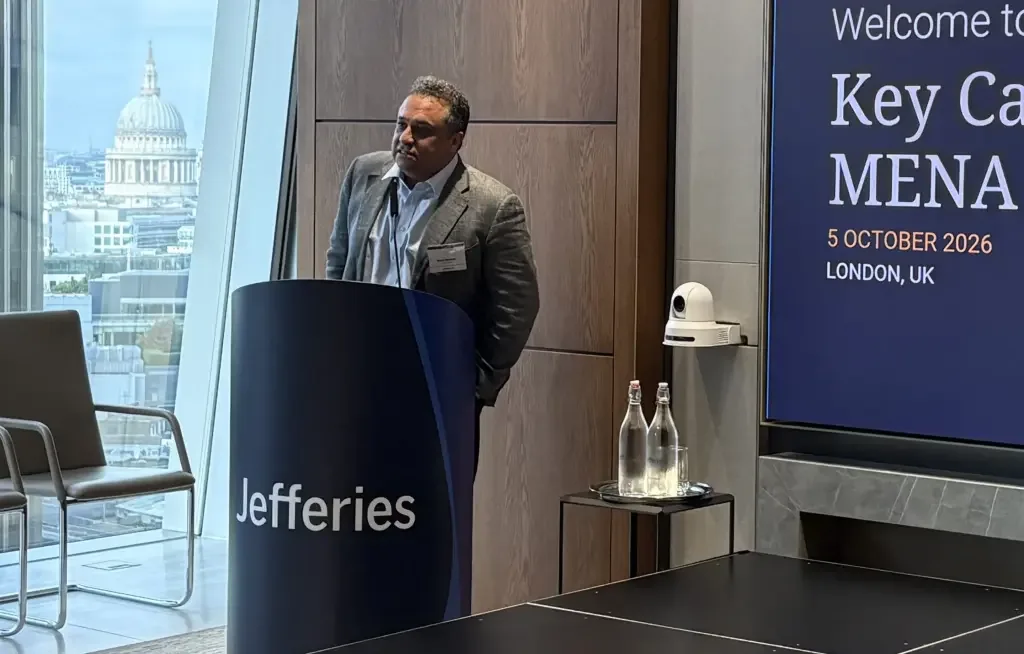
Abu Dhabi based Key Capital, founded by Basil Moftah and Leena Khalil, launched in 2025 to focus specifically on VC secondaries in the region, and partnered with SHUAA Capital in May 2026. The firm estimates the regional secondaries market at roughly $1 billion, a small fraction of the global secondaries market, which reached $240 billion in 2025. Key Capital's first fund, Key Fund I, is targeting $50 million.
Pricing in the region still reflects how early stage the market remains. Discounts to net asset value in Gulf secondaries deals average 35% to 45%, far steeper than the 5% to 15% typically seen in the more mature U.S. market.
Kholoud Alharbi, who leads partnerships at Endeavor Saudi Arabia, and family offices such as Saudi Arabia's Al Muhaidib Group, which has been increasing its allocation to secondaries, are among those signaling growing regional interest in the space as a practical way to manage long holding periods and limited exit options.