
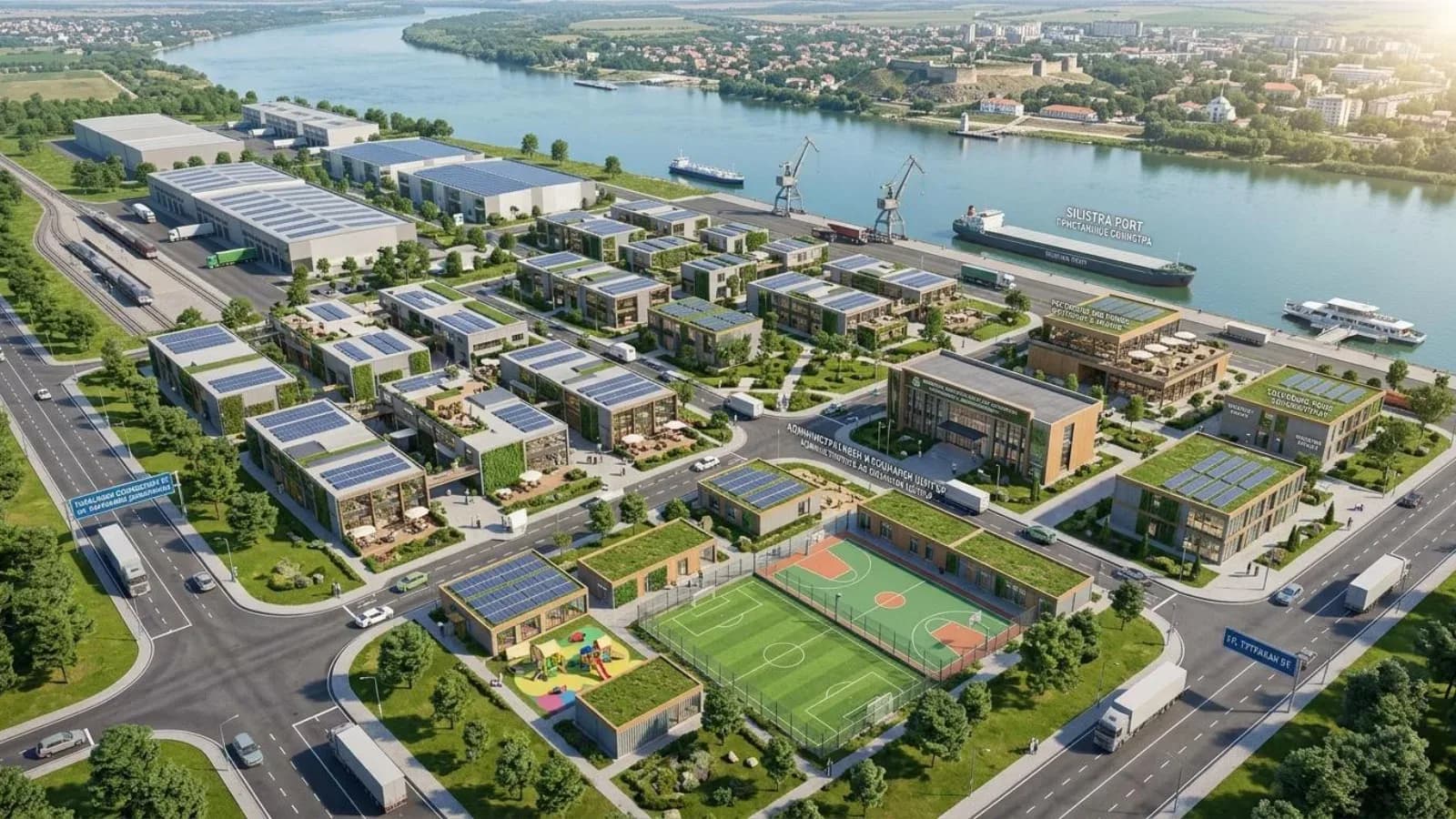
A Roman past and a Danube landscape broaden the city’s economic identity.
An industrial park can reshape a city’s image among investors, but it cannot by itself explain why people might choose to visit or live there. Silistra has another story to tell—one rooted in its position on the Danube and a history stretching back to Roman Durostorum.  Silistra’s attractions include the Medcidi Tabiya fortress, archaeological sites and the Danube Garden. Nearby, the Srebarna Nature Reserve, a UNESCO World Heritage site, is renowned for its birdlife, including Dalmatian pelicans. Together, these attractions give the city a strong basis for cultural and nature-focused tourism.
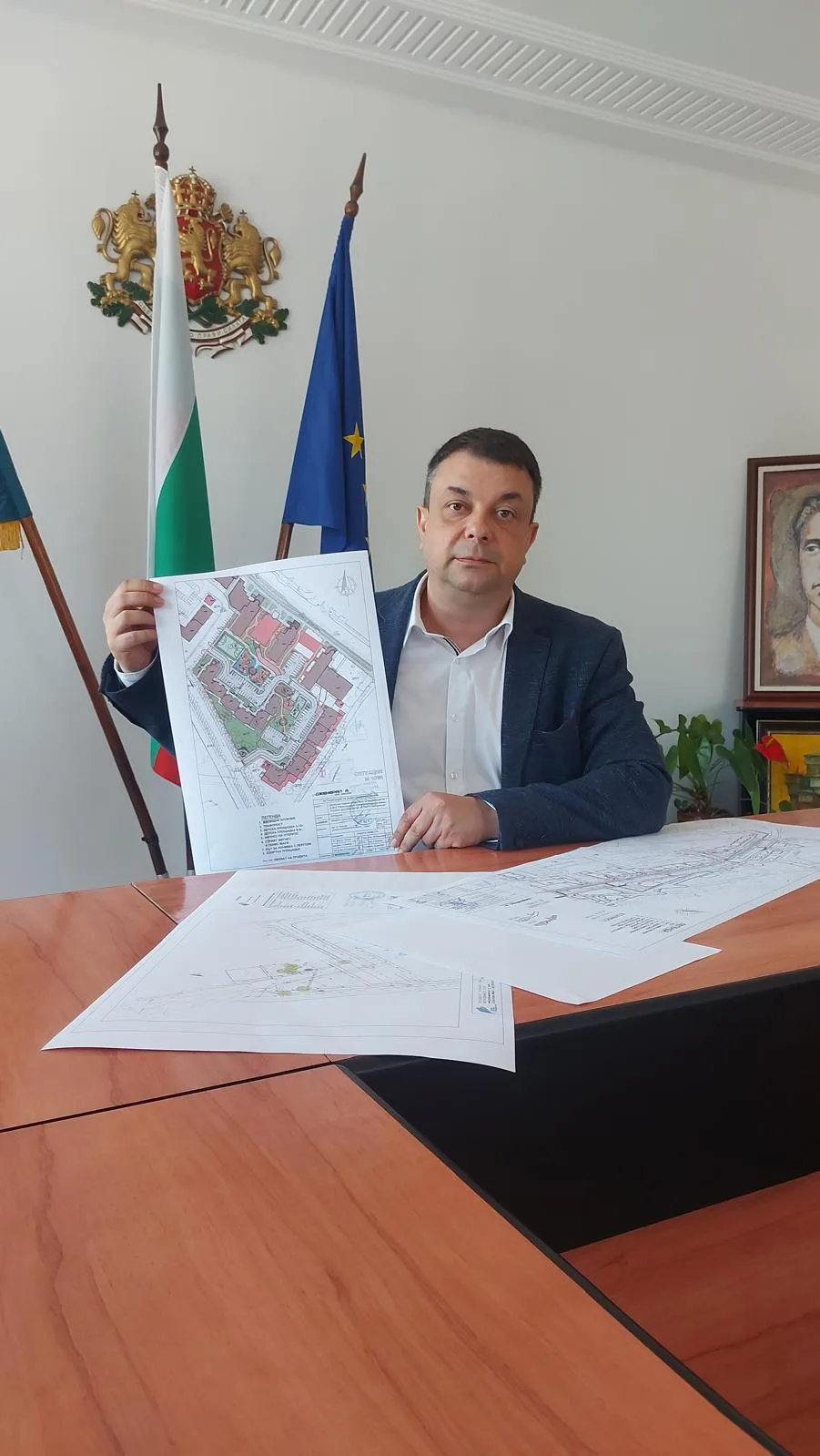 Mayor Aleksandar Sabanov’s industrial ambitions need not conflict with the city’s tourism potential. Both depend on accessibility, local services and a clear sense of place. The aim is not to turn Silistra into a luxury destination overnight, but to introduce this lesser-known Danube city to travellers looking for a quieter experience. It is important to distinguish between a development plan and a proven commercial outcome.
 Announced infrastructure, expressions of interest and long-term ambitions represent different stages of a project. Those assessing the opportunity should look for publicly reported milestones, transparent procurement, the necessary operating permits and evidence that planned facilities are being delivered. Scale presents both an opportunity and a challenge. A smaller city may offer room to grow and more direct access to local decision-makers, but it must also demonstrate that it can provide a sufficiently deep labour pool and reliable transport links. This balance makes the initiative relevant well beyond the municipality. The project’s next stages will shape how it is ultimately judged. Clear milestones and independently verifiable results will matter far more than the scale of a launch event. For now, the initiative merits attention precisely because its long-term impact is still to be demonstrated.