
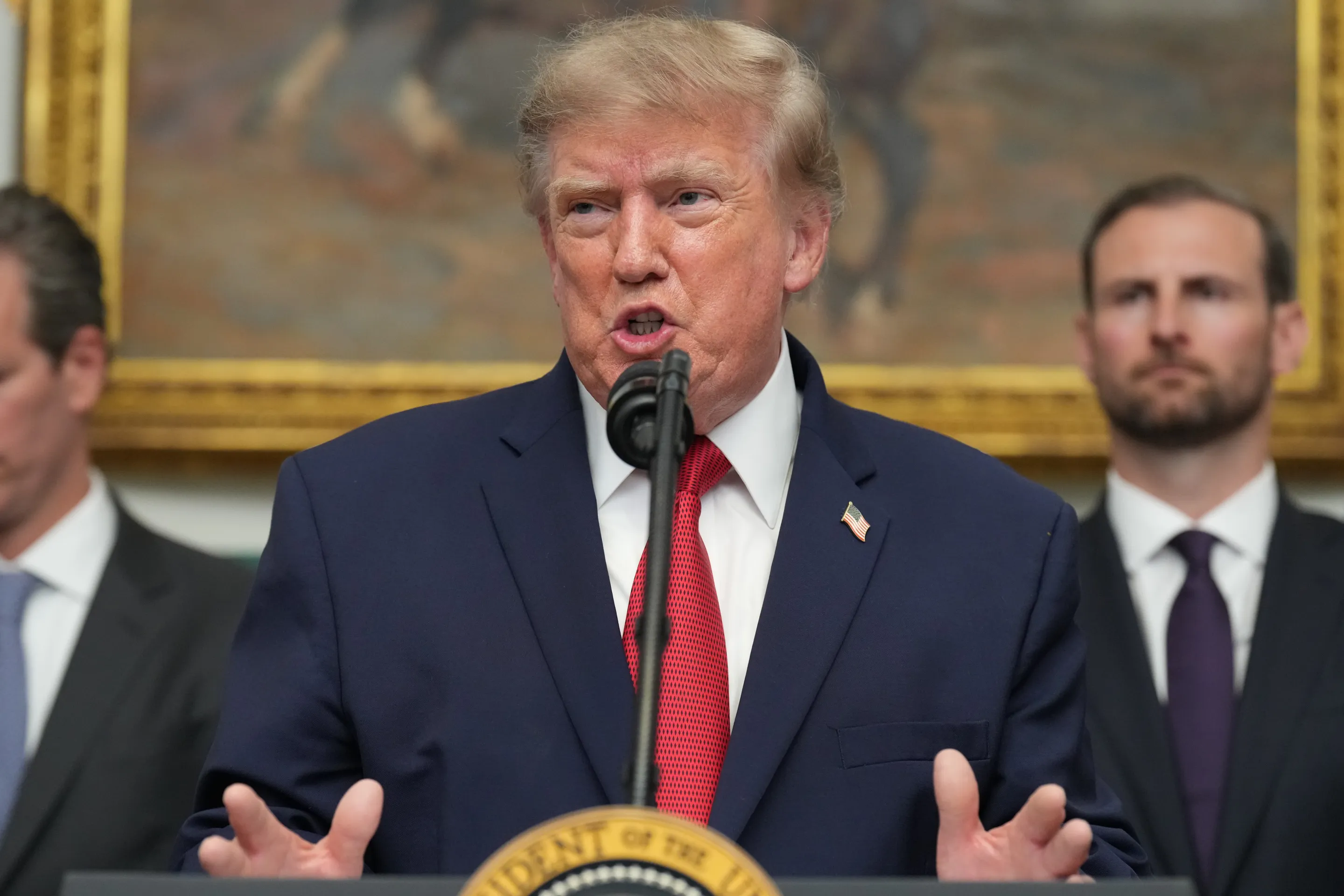
President Trump's effort to bring down beef prices for consumers is running into pushback from cattle ranchers, who argue that some of the fixes being floated would come largely at their expense.
Beef prices have climbed sharply in recent years, driven in large part by a shrinking national cattle herd that has left supply unable to keep pace with demand. Rebuilding herd numbers takes years, since ranchers have to hold back young cattle to breed rather than sell them, which means any fix to supply is unlikely to show up at the grocery store quickly.
Administration officials have floated ideas including expanding imports of beef from other countries to ease pressure on prices in the near term. Ranchers and some of their allies in Congress, including members of the president's own party, say leaning on imports undercuts the price signals that are supposed to reward domestic producers for expanding their herds, and could leave American ranchers worse off just as they were starting to recover from years of thin margins.
Consumer advocates counter that families facing high grocery bills need relief sooner rather than later, and that some import flexibility may be necessary while domestic herds rebuild. The tension reflects a broader balancing act facing the administration between its promises to lower costs for consumers and its support among rural and agricultural voters.
No final policy has been announced, and officials say they are continuing to weigh options as they monitor both cattle markets and consumer prices in the months ahead.