
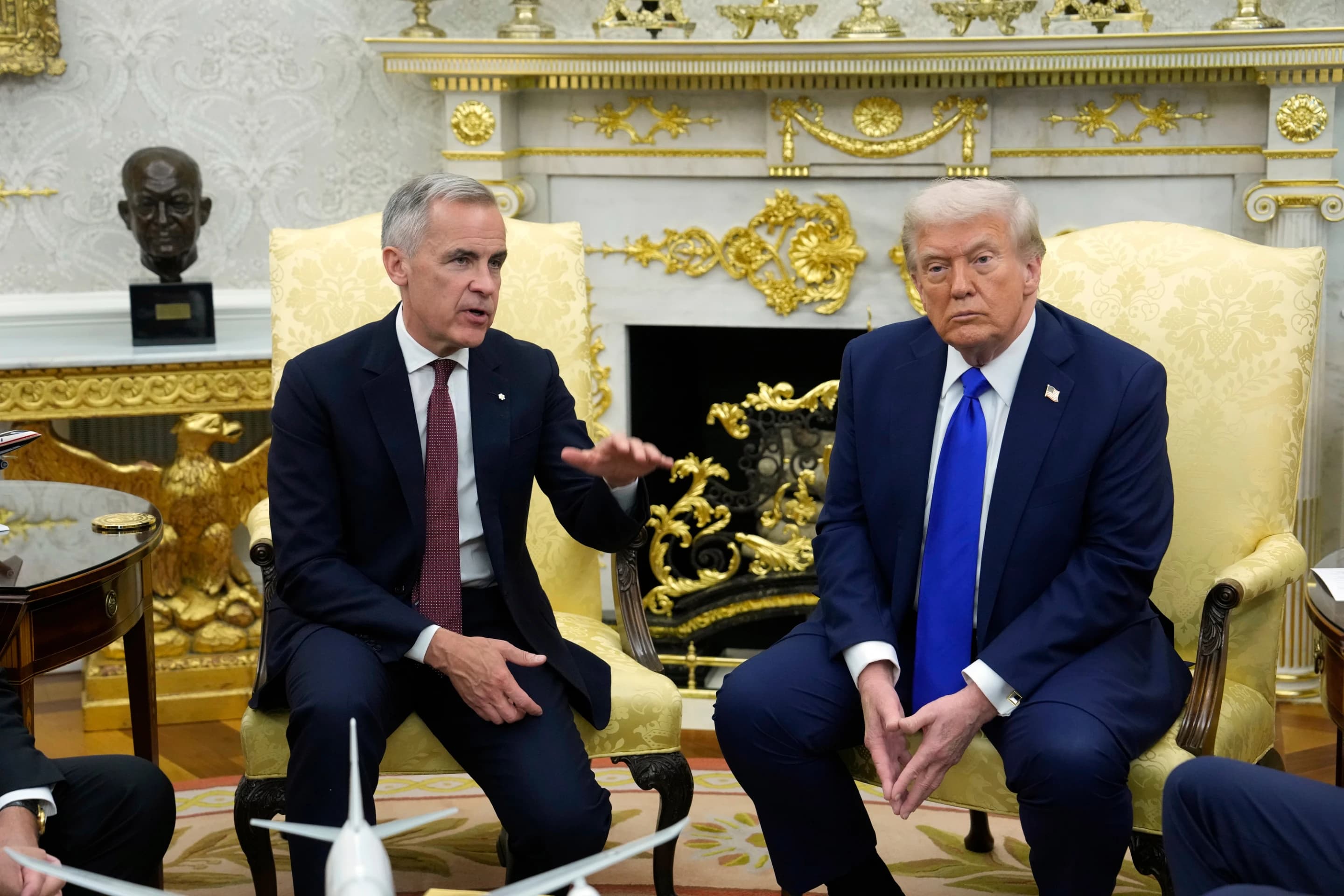
President Donald Trump hosted Canadian Prime Minister Mark Carney at the White House this week, as the two governments try to find a way through an escalating fight over tariffs on cross border trade.
The sit down came after the United States moved to apply a steep tariff, roughly 50 percent, on about 20 billion dollars worth of Canadian products. Ottawa responded by saying it would retaliate with tariffs of its own, setting up a standoff that touches industries on both sides of the border, from steel and aluminum to agriculture.
Business groups in both countries have warned that a prolonged tariff fight raises costs for manufacturers and, eventually, for consumers. Economists tracking the dispute say the two economies are close enough that tariffs tend to work their way into prices fairly quickly once they take hold.
Carney, a former central banker who took office earlier this year, has generally tried to keep the tone measured, favoring direct talks over public sparring. Trump has cast the tariffs as leverage, meant to protect American industry and push trading partners toward terms he considers more favorable to the United States.
Neither side laid out a clear timeline for resolving the dispute after the meeting ended. Trade analysts say the next few weeks will matter a great deal, as both governments weigh how much further they are willing to let the tariffs climb before returning to serious negotiations.
Markets and everyday prices are both being watched closely in the meantime. Several economists have cautioned that a tariff standoff stretching into the fall could add to inflation pressure that households in both countries are already feeling.