
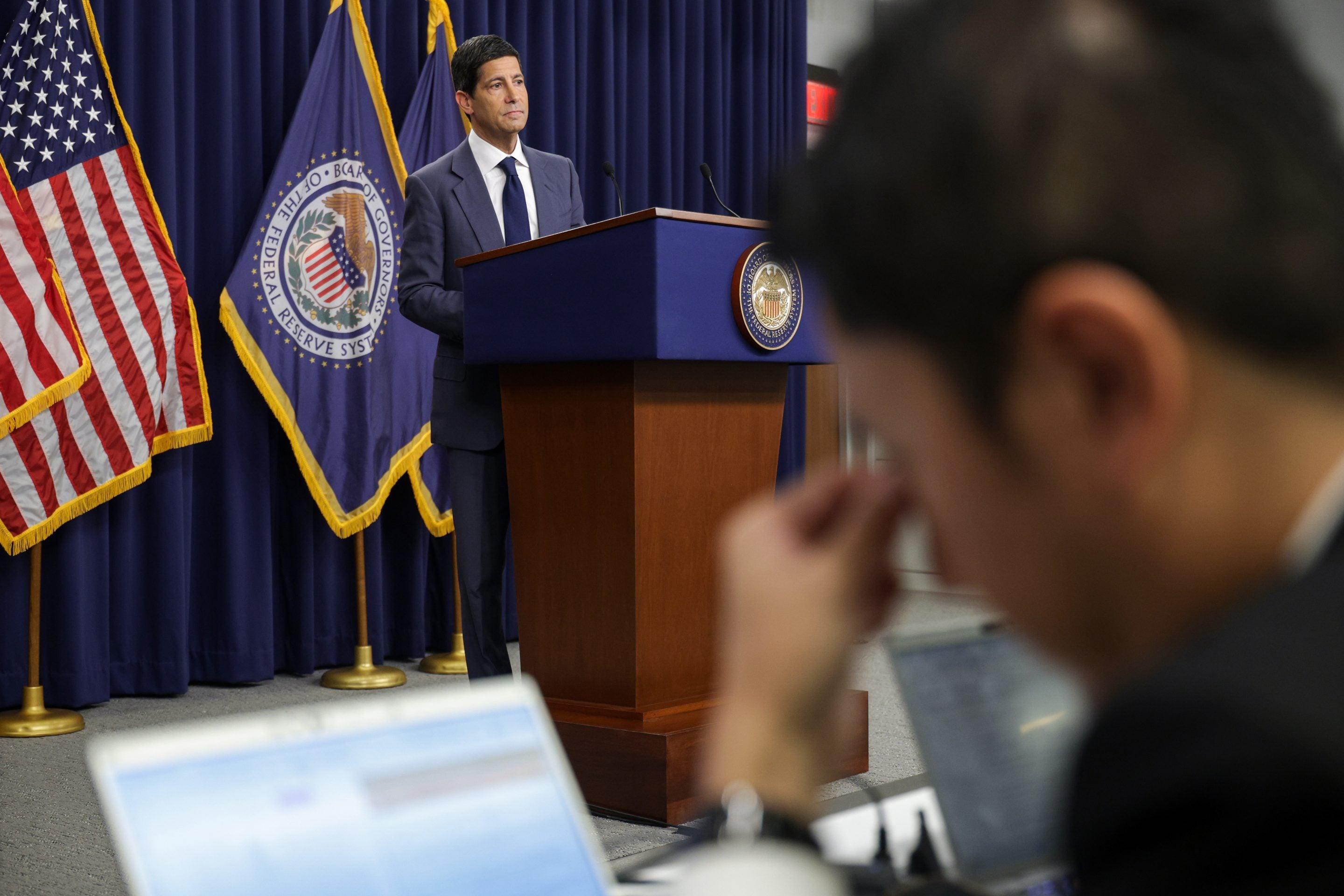
Most American consumers are worse off in 2026 than they were a year ago, according to the latest Federal Reserve minutes. Inflation remains well above the central bank's 2% target, and wage growth for most industries is failing to keep up.
The Bureau of Labor Statistics reported that consumer prices rose 3.7% over the 12 months through September 2026. In a balanced economy, that kind of increase would be offset by rising incomes. This year, that has not happened for most households.
What the Fed minutes said
The minutes from the Federal Open Market Committee meeting that ended on October 28 showed that most participants judged aggregate nominal wage growth to be moderate and broadly consistent with the Fed's 2% inflation objective. That sounds reassuring for policymakers, but it is less comforting for workers whose expenses are rising faster than their pay.
Some sectors are exceptions. The notes pointed to shortages of skilled workers needed for data center construction and related industries, which have created sizable wage premiums in those fields. A few members also noted that reduced labor supply in industries reliant on immigrant workers could add to sectoral wage pressures, though the committee did not see that as materially affecting overall wage measures.
Why it matters for the Fed
The fact that wage growth is not surging across the board is good news for the Fed in one sense: it suggests the United States is not on the verge of an inflationary wage-price spiral. In such a spiral, higher wages push up production costs, which push prices higher, which then lead workers to demand even larger raises.
UBS economist Paul Donovan told clients that the Fed's wording is a subtle admission that wages are falling behind inflation. "Fed members acknowledged that wage growth is consistent with their inflation target, but inflation is not consistent with their target," he wrote.