
A comparison that once seemed like a stretch is gaining traction among foreign policy commentators: that the current confrontation with Iran is starting to resemble the path the United States took into Vietnam decades ago.
The argument, laid out at length in an essay published by Foreign Policy magazine, leans heavily on David Halberstam's 1972 book "The Best and the Brightest," which chronicled how a small circle of highly credentialed officials in the Kennedy and Johnson administrations helped steer the country into a war that dragged on for years despite repeated warnings it was not working. Halberstam's central point was not that those officials were unintelligent. It was that their confidence in their own analysis, and their insulation from dissenting views, made them prone to serious misjudgment.
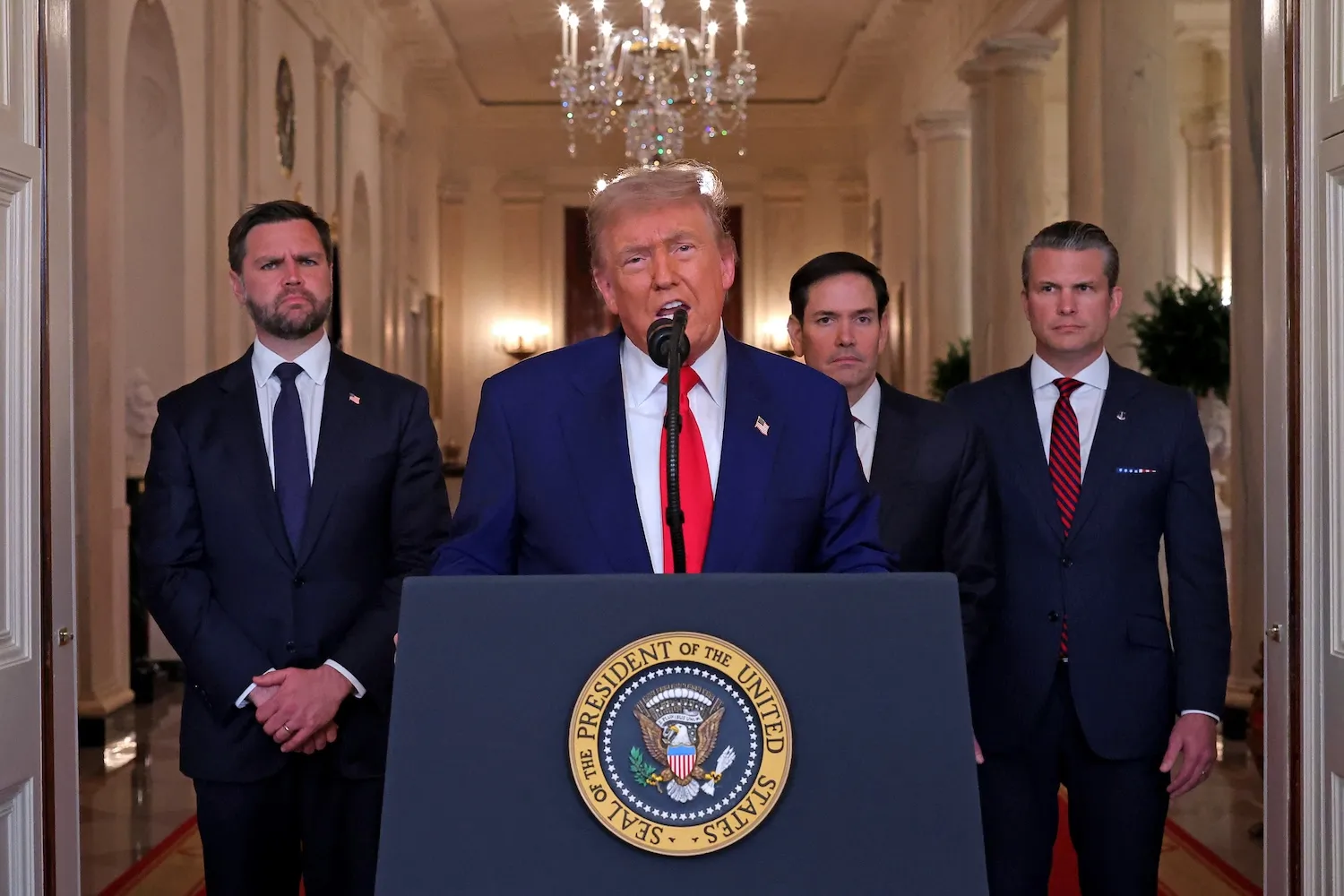
The essay argues several of the same patterns are visible now. Goals for the confrontation with Iran have shifted and been only loosely defined at different points, according to the piece, echoing the way war aims in Vietnam were never fully settled even as the commitment deepened. It also points to a small, tightly held circle of advisers around President Trump, arguing that dissenting views have had a harder time reaching him than optimistic assessments have.
The comparison extends to tone as much as substance. Halberstam described an era in which officials leaned on statistical measures of progress that later proved misleading, projecting more confidence publicly than the situation on the ground supported. The Foreign Policy essay suggests a similar dynamic now, with public statements emphasizing toughness and resolve even as the underlying strategy remains difficult to pin down.
Not every historian agrees the parallel holds up. Vietnam was a decade long land war fought with conscripted troops on the other side of the world, circumstances that differ sharply from the current standoff with Iran. But the comparison has resonated enough to circulate widely in foreign policy circles, in part because Halberstam's book has long served as a cautionary tale about what happens when a government entrusts consequential decisions to an insulated group of people convinced of their own judgment.