
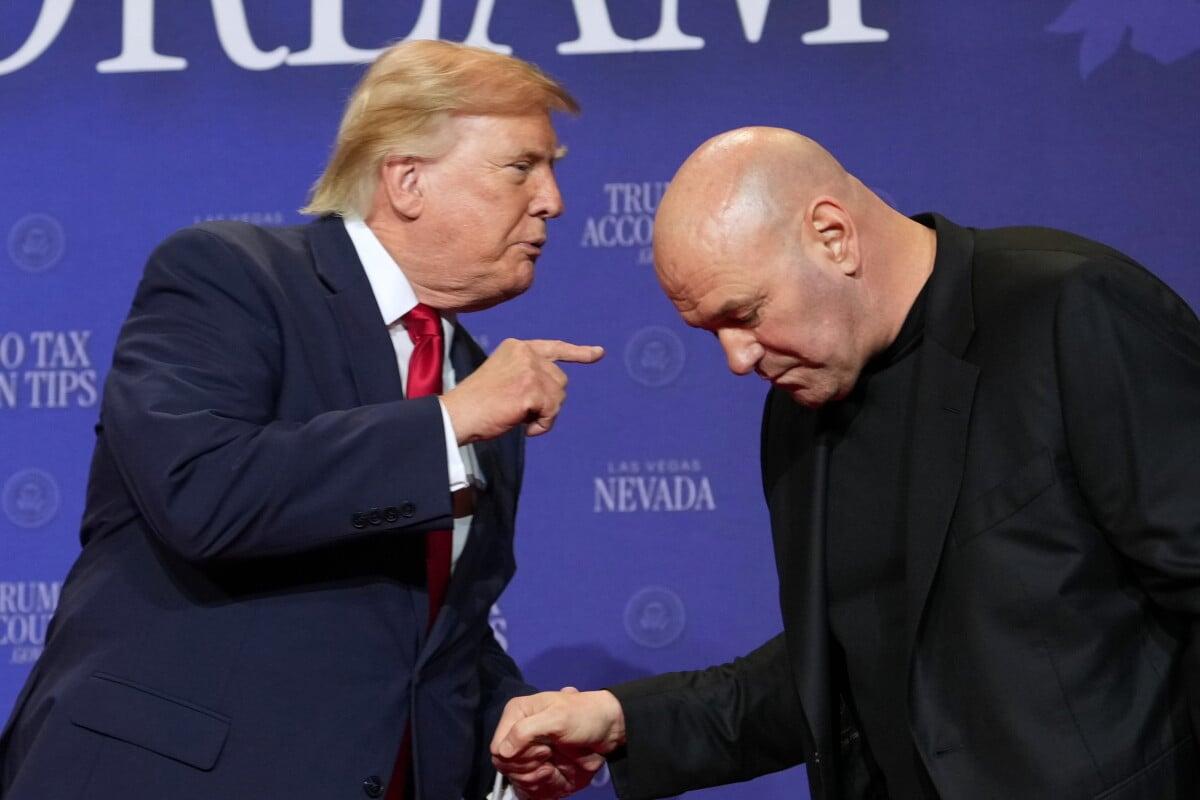
President Donald Trump offered the public a fleeting glimpse of cooperation after his party suffered sweeping losses in the 2026 midterms. The gesture barely survived the weekend. By Friday he had named Stephen Miller, the hardline immigration adviser who helped shape both of his administrations, as his new chief of staff. He also made clear that Joe Gruters, the Trump loyalist who led the Republican National Committee into its electoral debacle, would keep his post. By Saturday, Trump said the Justice Department should start investigating Democrats for what he called criminal behavior. He capped the weekend by claiming he had only been joking about offering the press secretary job to Dana White, the head of the Ultimate Fighting Championship.
The rapid sequence suggests that Trump has reverted to the combative style that has defined his political career, even as Democrats prepare to take control of both the House and Senate. Analysts had questioned whether a chastened president might seek common ground on the economy, immigration, and the conflict in Iran. Instead, Trump picked an immigration enforcer, defended a party chairman tied to the midterm defeat, and floated prosecutions of his opponents.
Miller has long been one of the most polarizing figures in Trump's orbit. He helped craft the administration's restrictive immigration agenda, its use of emergency powers, and its deployment of federal agents in cities. Critics, including some Republicans, view the selection as a sign that Trump intends to double down on the deportation policies and anti-immigrant rhetoric that alienated swing voters in the midterms. Democrats are expected to use their new congressional majorities, along with the courts, to push back.
Trump's decision to stand by Gruters at the Republican National Committee carries its own message. Rather than accept the midterms as a verdict on his leadership, Trump appears determined to keep the party machinery loyal to him personally. That could complicate Republican efforts to rebuild ahead of the 2028 presidential race, when the party will need a candidate and a message that can win beyond the Trump base.